
Best Cheap eSIM Plans for Budget Travel in 2025
Why pay for expensive roaming when cheap eSIM plans offer affordable global connectivity? These digital SIMs allow you to purchase and activate a low-cost data Japan eSIM package directly on your phone, bypassing physical cards and hefty carrier fees. The key benefit is instant access to local network rates in over 200 countries, with prices often starting under a dollar per gigabyte. To use one, simply scan a QR code from the provider’s app and select your plan before travel.
Understanding Budget-Friendly eSIM Choices
Understanding budget-friendly eSIM choices means prioritizing data caps over flashy extras. Cheap eSIM plans often lock you into a specific data allowance for a set duration, so meticulously assess your real usage—streaming and video calls burn through data far faster than messaging or maps. The true value lies in regional rather than global plans, as continent-wide coverage at a fraction of the cost offers superior economy. Strangely, a plan marketed as unlimited may throttle speed to near-uselessness after a tiny threshold, making it less practical than a smaller, high-speed pool. Ultimately, the cheapest eSIM excels when your itinerary and consumption are predicted with ruthless accuracy, turning a bare-bones option into your most intelligent travel tool.
What Makes an eSIM Plan Affordable Without Sacrificing Quality
An affordable eSIM plan keeps quality high by focusing on what you actually use. Look for plans from reliable networks that offer transparent data allowances without hidden fees. To get the most value without sacrificing speed or coverage:
- Pick a plan with strict data limits, so you only pay for what you need.
- Check that it supports fast LTE or 5G on trusted local networks, not slow roaming.
- Ensure it includes easy top-ups without service drops, so you’re not stuck with useless data.
How Regional vs. Global Plans Affect Your Wallet
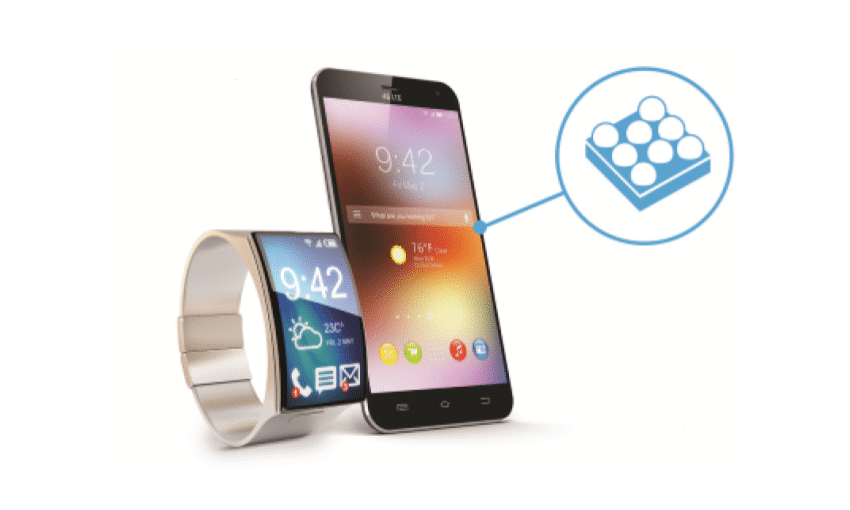
Choosing a regional eSIM plan over a global one directly impacts your wallet for single-trip travel. Regional plans, like those for Europe or Asia, bundle data for neighboring countries at a much lower cost, avoiding the premium you pay for a global plan’s worldwide convenience. If your itinerary is confined to one continent, a regional option can save you 30-50% in fees. For multi-continent trips, a global plan prevents buying separate eSIMs, but you will pay extra for that borderless coverage. Your wallet benefits most from matching the plan’s geographic scope to your actual travel route.
Regional plans minimize waste for focused trips; global plans justify their higher price only when crossing continents.
Key Features to Look for in Low-Cost Data Packages
When evaluating low-cost data packages for eSIMs, prioritize transparent data allowances without hidden throttling after a set limit. Scrutinize whether the plan offers high-speed data versus unlimited but slowed connectivity. Check if the package includes a local number or only data, as this affects utility. Verify compatible network bands for your destination to avoid patchy coverage. Look for short-term validity options to match your travel dates precisely, preventing wasted days. A clear renewal or top-up process is crucial, ensuring you can add data without purchasing a new package. Finally, confirm the plan’s activation is instant, not delayed.
| Feature | Why It Matters in Low-Cost Plans |
|---|---|
| Data Speed Tier | Identifies if you pay for 4G/5G or throttled 3G speeds after a threshold. |
| Validity Period | Aligns with travel length; avoid 30-day plans for a 3-day trip. |
| Roaming Zones | Ensures coverage across multiple countries without separate purchases. |
| Top-Up Options | Allows adding data mid-trip without buying a new eSIM. |
Top Providers for Thrifty Travelers
For thrifty travelers, Airalo and Holafly dominate cheap eSIM plans, offering pay-as-you-go data from $4.50 for 1GB. Airalo’s regional passes often undercut local SIMs, while Holafly provides unlimited data with daily caps for short trips. For budget multi-country trips, Ubigi’s lightweight 1GB add-ons and Yesim’s flexible top-ups avoid waste.
Q: Which provider is cheapest for a 3-day Europe trip? A: Holafly’s 3-day unlimited regional plan at $15, though Airalo’s 3GB for $12 is better for light users. Always compare expiration dates—Maya Mobile’s 30-day validity beats Airalo’s 7-day cap on similar prices.
Airalo: Flexible Options for Short Getaways
For thrifty travelers on short getaways, Airalo offers flexible data packages that avoid long-term commitments. Its regional and country-specific eSIMs activate instantly upon arrival, with options spanning one to seven days. Prices remain low for quick trips, and you can top up data without changing your primary SIM. This makes Airalo ideal for a weekend city break or a brief beach escape, providing cost-effective coverage without contract hassles or physical SIM swaps.
Holafly: Unlimited Data at a Fraction of the Price
For thrifty travelers, Holafly: Unlimited Data at a Fraction of the Price stands out by offering genuinely unlimited data allowances rather than throttled caps. Instead of monitoring megabytes, users can stream maps and share photos without interruption. The activation process is simple:
- Purchase a plan online before departure.
- Install the eSIM via a QR code.
- Activate upon arrival for immediate connectivity.
Because data is unlimited, travelers avoid surprise charges, with plans often costing under one dollar per day for full-speed access. This makes unlimited data a realistic, budget-friendly reality for short-term international trips, especially popular destinations across Europe and Asia.
Ubigi: Competitive Rates for Multi-Destination Trips
For thrifty travelers mapping out a multi-destination adventure, Ubigi’s pricing strategy stands out. Instead of buying a separate plan for each country, you can tap into their regional bundles, which slash costs significantly across borders like Italy, Japan, and the US. This approach avoids the hidden fees of roaming or the hassle of swapping local SIMs. Ubigi offers competitive rates for multi-destination trips, allowing you to maintain high-speed data from the first stop to the last without draining your budget. It’s a practical, cost-cutting tool for anyone hopping between countries on a tight itinerary.
Comparing Prepaid vs. Pay-As-You-Go Options
When choosing between prepaid and pay-as-you-go for cheap eSIM plans, think about your data rhythm. Prepaid is ideal if you pay upfront for a set allowance, like 5GB for 30 days, which locks in a cheap rate and avoids surprise charges. Pay-as-you-go lets you top up tiny amounts as needed, perfect for light or erratic use, but the per-MB cost is often higher. A prepaid plan usually offers better value per gigabyte if you reliably use most of your data, while pay-as-you-go prevents waste if you’re a sporadic user. Both can be found at ultra-low prices from regional eSIM providers, but your choice hinges on predicting your consumption to avoid overpaying for unused allowance or per-bit fees.
Why Prepaid Budget Plans Suit Occasional Users
For occasional users, a prepaid budget plan is the smarter pick because you only pay for the data you actually need upfront. No stress about unexpected charges if you only travel or use data once a month. This makes predictable low-cost connectivity easy, as you simply buy a small data pack and it expires without penalties. You aren’t forced to top up every few days, so no money is wasted while your eSIM sits unused between trips.
Why do prepaid budget plans suit occasional users best? Because they let you pay a fixed, small amount for a set data allowance that lasts weeks or months, so you never lose funds on unused daily gigs.
Pay-As-You-Go Perks for Infrequent Connectivity Needs

For infrequent connectivity needs, pay-as-you-go eSIM plans unlock perks that prepaid bundles cannot match. You avoid monthly commitments entirely, buying only data when you actually travel. The core advantage is zero-expiry credit for sporadic trips, as your balance remains active for months or years without a top-up. A single 1GB pack may last you across three separate weekends, far cheaper than a recurring prepaid plan. To maximize this:
- Check the validity window before purchasing, as some credits expire after 90 days.
- Activate the eSIM only when you land to preserve your balance.
- Use Wi-Fi where available, reserving your pay-as-you-go data for essential navigation or messaging.
This approach eliminates the “use it or lose it” stress of prepaid allowances.
Hidden Fees That Can Inflate Your Final Bill
When comparing prepaid vs. pay-as-you-go eSIMs, hidden fees often surface in the fine print. Activation charges, service fees, or “top-up” minimums can silently inflate your final bill, especially on prepaid plans that advertise a low base rate but add a compulsory “regulatory recovery fee.” Pay-as-you-go options may appear flexible but sometimes impose high per-MB rates or daily connection fees when your data bundle expires. Even unused credit can vanish through monthly inactivity fees. Scrutinize the total cost breakdown before purchasing.
Q: How do hidden fees typically inflate a pay-as-you-go eSIM bill?
A: They often apply a steep per-MB rate after your initial data runs out, plus a small daily “access fee” for maintaining service, which quickly multiplies.
Strategies to Maximize Value from Your Data Plan
To maximize value from your data plan with cheap eSIMs, prioritize plans with rollover data to avoid wasting unused gigabytes. Actively manage your usage by disabling background app refresh and automatic uploads for non-essential services. Use Wi-Fi whenever possible for large downloads or streaming, to conserve your mobile data for on-the-go needs. For international travel, buy a local cheap eSIM rather than a global plan, which often provides far more data for the same price. Finally, set a low-data alert in your phone’s settings to prevent expensive overage charges, ensuring you extract every megabyte from your inexpensive plan.
Choosing Plans Based on Your Data Consumption Patterns
To maximize value from cheap eSIM plans, first audit your typical week: do you mainly stream video in 4K or just navigate maps and messaging? If you binge high-definition content daily, prioritize plans with large data caps, even if pricier per gigabyte, as overage fees destroy savings. Conversely, if your usage is bursts of email and social scrolls, choose a smaller, lower-cost plan and rely on strategic data top-ups when you hit the limit. For a seamless approach, follow this sequence:
- Open your phone’s data usage tracker for the last 30 days.
- Identify your highest and lowest consumption days.
- Match your average to eSIM buckets—1GB for light users, 5GB for moderate, 20GB+ for heavy streamers.
- Select a plan with a buffer of 20% to avoid throttling.
This direct match prevents waste and overpaying.
Leveraging Promo Codes and Seasonal Deals
To maximize value from your cheap eSIM plan, strategically leverage promo codes and seasonal deals. Before purchasing, search for coupon codes from blogs or the provider’s social media; many offer 5-20% off first purchases. Time your activation around major holidays like Black Friday or Cyber Monday, when carriers often slash prices on high-data packages. Follow a clear sequence:
- Identify an upcoming holiday or shopping event.
- Scout for a corresponding promo code on sites like RetailMeNot.
- Activate the seasonal deal before the expiration date.
This approach locks in temporary discounts, making seasonal promotional pricing a direct lever for sustained savings.
Pairing eSIMs with Free Public Wi-Fi Hotspots

Pairing a cheap eSIM with free public Wi-Fi hotspots is a power move for data thrift. When you’re at a café, library, or airport, switch your phone’s cellular data off and rely on the Wi-Fi for heavy tasks like streaming or video calls. Your eSIM’s allowance then stays untouched for moments you truly need mobile coverage, like navigating unfamiliar streets or booking a ride. This tactic extends your plan’s lifespan without extra cost, letting you burn through far less of your meager gigabyte stash. Always download offline maps and apps while on Wi-Fi to maximize this synergy.
By deliberately toggling to free Wi-Fi for heavy usage, you preserve your cheap eSIM’s data for essential on-the-go access, stretching every megabyte further.
Regional Deep Dives: Affordable Coverage by Continent
For truly cheap eSIM plans, skip global packages and dive into regional deep dives by continent. A “Europe” regional plan covers 30+ countries at a fraction of per-nation costs, ideal for multi-stop train trips. Africa’s single-region eSIM bundles often beat local SIMs for cross-border bus travel. In Asia, a single Southeast Asia plan unlocks Thailand, Vietnam, and Indonesia for under $15. Q: Why choose a continent plan over a global one? A: Continent coverage slashes per-gigabyte cost by avoiding pricey global roaming partnerships. South America’s regional eSIM lets you hop from Colombia to Argentina without swapping providers, while Oceania’s combo covers both Australia and New Zealand for one low price.
Europe: Wallet-Friendly Packages for Multiple Countries
Europe wallet-friendly packages for multiple countries typically combine data allowances valid across the Schengen Zone and select non-Schengen nations like Switzerland or the UK. Plans often start at $10–$20 for 5–15 GB over 7–14 days, with many providers offering daily rate caps that prevent overspending. Regional bundles from carriers like Airalo or Holafly automatically switch networks when crossing borders, eliminating the need for multiple SIMs. Always check coverage maps for Eastern European countries like Croatia or Poland, as smaller rural zones may use different roaming partners.
Q: Are these multi-country packages cheaper than buying separate local eSIMs for each European nation?
A: Yes, for contiguous travel across typical tour routes, a single regional plan is almost always more cost-effective than individual country eSIMs.
Asia: Low-Cost Local Providers for Endless Roaming
For seamless travel across Southeast and East Asia, opting for local eSIM providers for Asian roaming unlocks the cheapest, high-speed data without global markups. Providers like Nomad, Airalo, and regional specialist Changi recommend partners such as DITO (Philippines), TrueMove (Thailand), and M1 (Singapore), offering prepaid local networks at a fraction of the price. This means you roam on the same towers locals use, avoiding throttled speeds and inflated Big Three carrier fees. Instead of a sprawling pan-Asia plan, simply stack individual country eSIMs from these low-cost local sources for each leg of your trip, ensuring 4G/5G access from Tokyo to Bali without roaming caps.
- Install a Japan-specific eSIM from Mobal or Ubigi for instant, uncapped access to NTT Docomo’s network the moment you land.
- Use a Philippines plan from DITO via a reseller like Airalo for under $5 for 1GB, leveraging local LTE at local prices.
- In Thailand, pick a TrueMove H eSIM from Nomad for a 15-day, 10GB plan that mirrors prepaid local SIM costs without a physical card.
North America: Budget-Conscious Solutions for City and Rural Areas
For budget-friendly connectivity across North America, focus on providers offering multi-country North America eSIM plans that cover both the US and Canada. In cities, opt for short-term, high-data packages from local MVNOs for smooth navigation and streaming. For rural areas, prioritize a plan with strong regional carrier partnerships, such as AT&T or Telus, as these provide unexpected reliability in national parks and smaller towns. Follow this sequence:
- Identify a hybrid plan that includes rural network access.
- Purchasing a smaller data add-on for city use only.
- Confirm the local carrier in your specific rural destination.
This mix keeps you connected without overspending.
Tips to Avoid Overspending on Mobile Connectivity
To avoid overspending, start by using a cheap eSIM plan that offers a small data pack for your exact trip length—don’t buy monthly plans for a week-long stay. Track your usage daily with your phone’s built-in data monitor to prevent accidental overages. Turn off background app refresh and auto-downloads for updates while on mobile data.
Before leaving home, download offline maps and disable cellular data for non-essential apps—this single habit can slash your data consumption by half.
Stick to Wi-Fi whenever possible, and only enable the eSIM when you actually need navigation or messaging. For regional travel, cheap eSIM plans with multi-country coverage often beat buying separate local SIMs, but always compare per-GB costs directly.
Reading the Fine Print on Data Speed Throttling

When choosing a cheap eSIM plan, always examine the fine print for data speed throttling conditions. Many budget plans advertise “unlimited” data but reduce speeds to 2G or 3G after a specific threshold, typically 1–5 GB. To avoid overspending on a plan that becomes unusable, follow these steps:
- Locate the “Fair Use Policy” or “Data Deprioritization” section in the terms.
- Identify the exact data cap where throttling begins.
- Check the post-throttle speed (e.g., 128 kbps) and confirm if video streaming is also capped at lower resolution.
Ignoring these details means paying for a plan that may not meet your needs after a few days.
When to Opt for a Short-Term vs. Long-Term Plan
Opt for a short-term eSIM plan when traveling for under two weeks or testing a new provider’s network, as daily or weekly passes avoid paying for unused days. Long-term plans, typically monthly or yearly, slash costs for frequent travelers or nomads visiting the same region repeatedly. If your trip has scattered travel dates, short-term plans prevent wasted coverage; if you live between countries, a long-term regional plan cuts per-month expenses. Always match the plan length to your actual usage window—never commit beyond your confirmed itinerary.
Short-term eSIMs suit irregular, brief trips; long-term plans save money for consistent, repeated travel to the same area.
Match plan duration to your confirmed travel dates to eliminate overpaying for idle connectivity.
How to Switch Providers Without Service Gaps
To avoid service gaps when switching to cheap eSIM plans, activate your new eSIM profile while your old physical SIM remains active. Test the new connection by sending a message or loading a site before porting your number. This overlap ensures connectivity. Once confirmed, initiate the number transfer and deactivate the old plan. Overlapping activation periods are critical to prevent downtime. How can I switch eSIM providers without losing service? Purchase and install the new eSIM before canceling the old one. Keep both active until you verify data and calling functionality, then complete the porting process seamlessly.
User Reviews and Real-World Experiences
Users consistently report that cheap eSIM plans are a mixed bag in practice. One traveler on a budget service found their initial activation was flawless in Lisbon, yet the same plan delivered frustratingly slow data in a crowded Barcelona square. Many forum threads highlight that cheap plans often throttle speeds after a few gigabytes, making video calls or navigation a laggy ordeal. Real-world connectivity is also highly location-dependent; a plan that worked perfectly in Paris might struggle in a remote Alpine village. Surprisingly, the cheapest plans sometimes have the most responsive customer support, as smaller providers rely on word-of-mouth to compete. Another user noted that while the price was unbeatable, the lack of a local phone number made two-factor authentication a persistent headache during their trip. The consensus is clear: check recent reviews for your specific destination before committing to the lowest price.
What Frequent Flyers Say About Low-Cost eSIM Services
Frequent flyers report that low-cost eSIM services offer excellent value for multi-stop itineraries, avoiding the need for physical SIM swaps. Many praise reliability on budget networks, noting that while data speeds can dip in congested airports, connectivity remains stable for map navigation and messaging. They caution that customer support is often chatbot-only, with limited phone assistance for activation glitches. A common tip is pre-loading two plans—a primary for data and a secondary for fallback—to mitigate coverage gaps. Users emphasize checking carrier partners, as some cheap eSIMs roam on weaker infrastructure in rural areas.
Common Complaints and How to Work Around Them
Users frequently complain about inconsistent data speeds during peak hours on cheap eSIM plans. To work around this, activate your plan early to avoid throttling triggers, and manually select a local network rather than relying on automatic roaming. Another common complaint is difficulty with activation; always install the eSIM profile on a stable Wi-Fi connection before traveling. For limited customer support, consult the provider’s online FAQ or community forums first, as direct chat is often slow. Finally, if coverage drops, toggle airplane mode for 10 seconds to force a reconnection to the best available tower.
Success Stories of Saving Money While Staying Connected
Travelers frequently report major savings through budget-friendly eSIM data plans, with one user cutting their roaming bill from $15 daily to just $12 for a full week in Japan by switching to a local provider’s eSIM. Another family saved $140 on a European trip by pre-loading a regional plan across four phones instead of using their carrier’s per-device add-on. A digital nomad chronicled how a $30 Latin America eSIM plan kept her connected across five countries for two months, whereas her old plan would have cost $200 weekly. Such success stories consistently highlight that the most dramatic savings emerge when users ditch traditional roaming for flexible, prepaid eSIM packages.
Recent Comments